Play is vital to the growth of children. It encourages creativity, mental growth and mental health. Toys are particularly important for children who have special sensory requirements, such as those with ADHD and autism. A variety of products and toys specially designed to meet their unique needs are available on the market. The market provides a wide selection of toys for children with ADHD, autism and sensory needs.
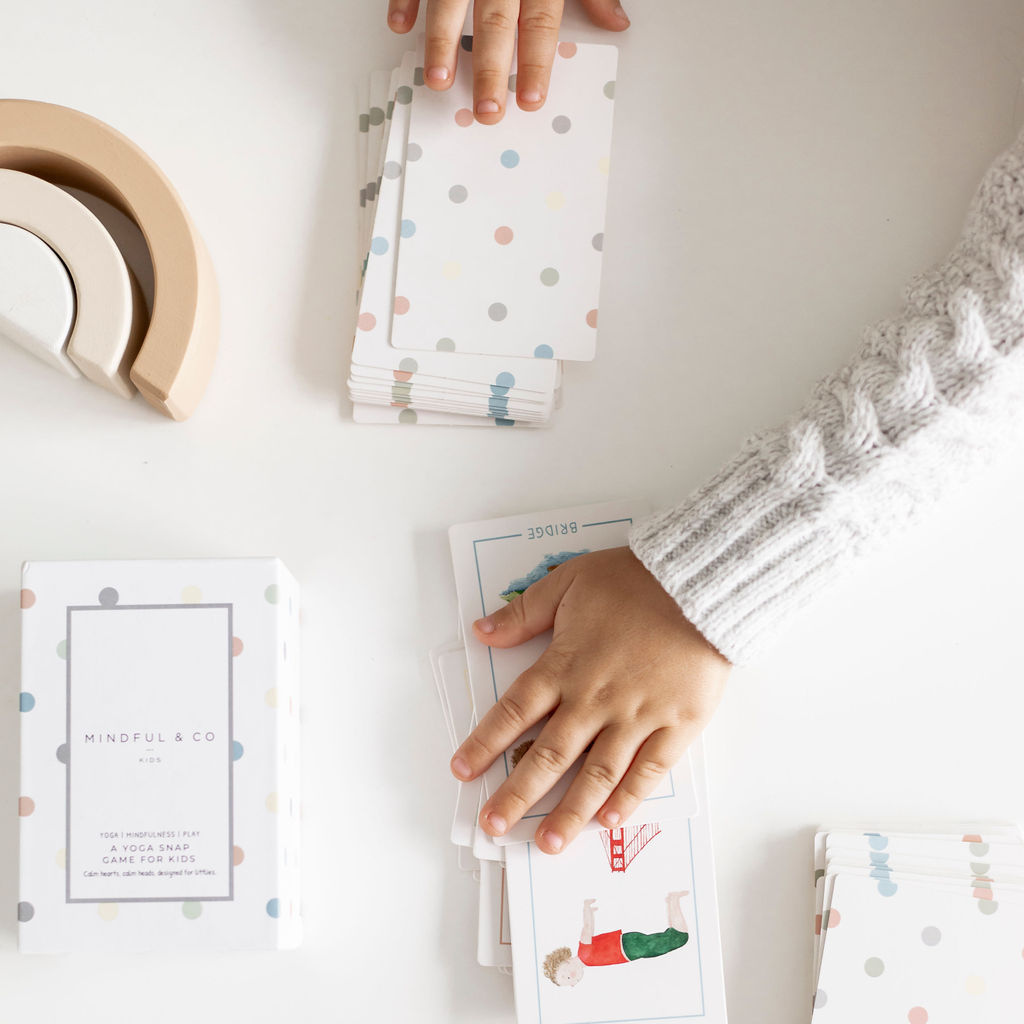
ADHD Toys for children: Fostering focus and engagement
Children with ADHD are often unable to control their impulses and maintaining their attention. Games that encourage children to harness their energy efficiently are essential for their development. ADHD toys are specifically designed to provide a sensory experience that catches their attention and improve their concentration.
Building sets, fidget toys, as well as interactive puzzles are a few examples of toys that are beneficial for children with ADHD. They are excellent for exploring tactile sensations, fine motor skill development, and problem-solving. Fidget Toys, in particular provide children with a way to satisfy their sensory requirements and keep their hands active which improves concentration and focus.
Autism-Friendly Products: Supporting Diverse Sensory Needs
Autism is a developmental disorder which affects the capacity to communicate and interact socially, is often accompanied by sensory sensitivities. Toys could be a game changer for children with autism. The autism-friendly toys are designed to meet the needs of children with sensory sensitivities and encourage positive interactions.
These could be toys with soothing light and sounds like weighted blankets or tactile sensory balls. They are designed to stimulate many senses while delivering feelings of comfort and security. The soothing effects of the toys can help to reduce stress and anxiety. Children can be more comfortable in their home.
Sensory Toys for Children The Multisensory World
Sensory play is crucial for every child as it fosters the exploration of their minds, cognitive development and the understanding of their environment. For children who suffer from sensory processing disorders (SPD) that affect how they respond and perceive stimulation from the environment, sensory toys are essential tools for learning and self-regulation.
Sensory toys come in a myriad of forms, from the tactile items like squishy balls to visual ones such as light projectors. These toys stimulate children’s senses and assist them in developing their communication skills and improve their ability to process sensory information. The tactile, visual and auditory elements of these toys contribute to an overall development of the sensory system.
Supporting children with Sensory Processing Disorders: SPD Products
Children who have sensory processing disorders require products that are adapted to their unique sensory needs and promote comfort and engagement. SPD products are specifically designed to help children manage sensory sensitivities and improve their sensory experiences. For more information, click Sensory processing disorder products
Things like sensory swings weighted vests and sensory bins are some examples of SPD products that encourage regulation and exploration of the sensory. Sensory bins and swings have been made to provide vestibular stimulation that is calming. Weighted Vests, however, can be used as a gentle pressure for an euphoric feeling. Sensory bins that are filled with a variety of textures can encourage imagination as well as touch.
Selecting the Best Toys: Factors to Consider
When choosing products and toys designed for children with ADHD, autism or sensory processing disorders, several aspects should be taken into account:
1. Sensory Features: Choose toys with tactile, auditory and visual sensory experiences.
2. Safety: Ensure that the toys have no small parts which could cause the risk of choking and are made of non-toxic substances.
3. Engaging: Choose toys that grab the child’s attention and encourage interactive and imaginative play.
4. Comfort: Choose products that provide comfort and security for children with sensitivities to touch.
5. Inclusivity: Prioritize toys that can be played with by children of all ages, encouraging inclusion during playtime.
It’s encouraging to find products and toys specifically designed for children who suffer from ADHD and autism. ADHD toys for children, autism friendly products, sensory toys and other items for young children not only create a sense of fun, but also a sense belonging, engagement and empowerment.
Parents, educators and other caregivers have the ability to influence a child’s developmental journey by selecting toys. In allowing children to engage with play that meets their unique sensory needs and is designed with purpose creating an environment that is welcoming and inclusive.