Titanium dioxide (also called TiO2, white titanium, or Pigment White 6 – PW6)) is a renowned ingredient in a wide range of industries. It’s particularly prevalent in rubber, paints plastics, and paper. This versatile substance with its stunning white pigment plays a important role in turning raw materials into stunning finished goods. We will examine the fascinating properties and uses of titanium oxide along with its manufacturing process to understand the impact it has on various industries.
The Canvas of Titanium Dioxide – A Palette of Possibilities
Titanium dioxide serves as an essential component in the creation of numerous items, contributing to the appearance and utility of items we encounter daily. Pigment White 6 plays a significant role in the creation of paints. This vibrant transparent white color adds the brightness and depth of both artistic and industrial applications.
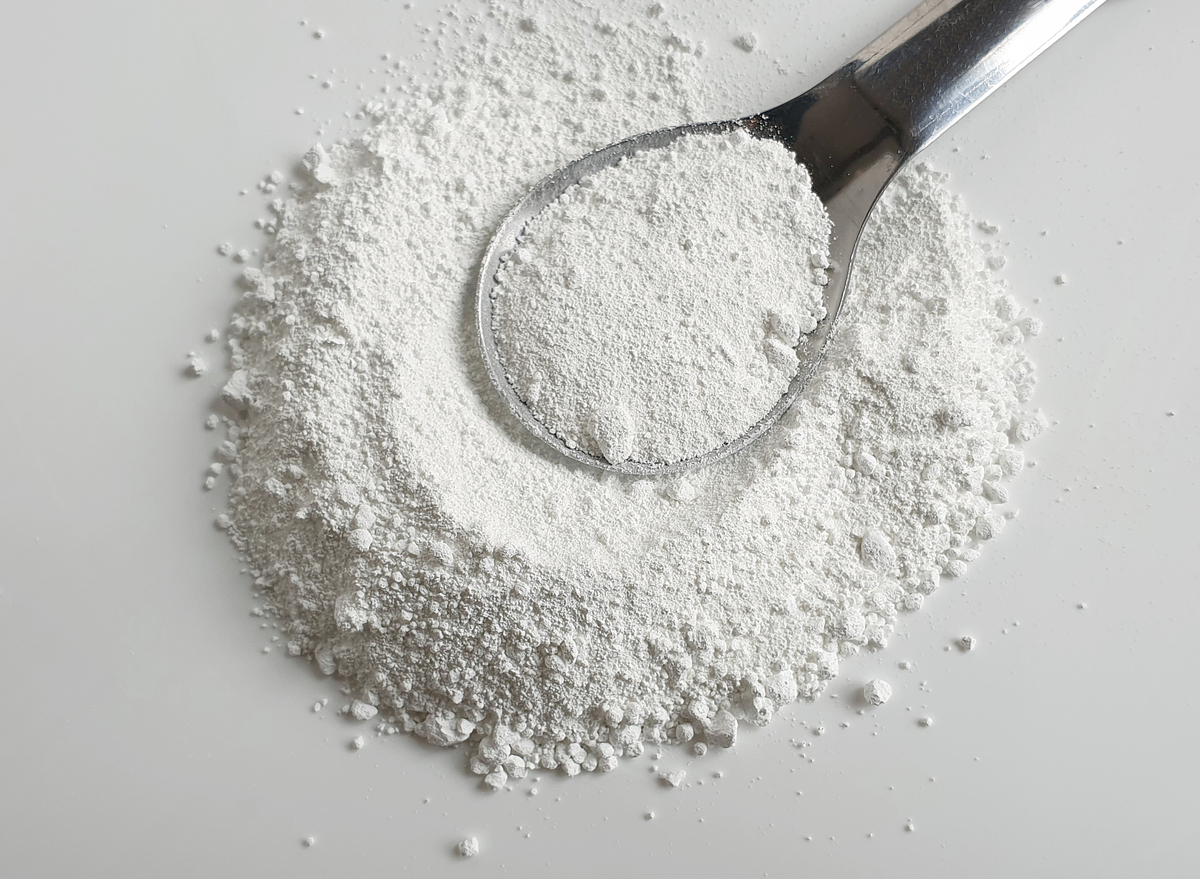
In the plastic industry, titanium dioxide adds not just color, but also functions as a UV stabilizer offering protection against the harmful effects of UV radiation. Due to its dual functionality the titanium dioxide is an essential ingredient in an array of plastic products ranging from sturdy outdoor products to packaging materials.
The Manufacturing Alchemy – Titanium Dioxide Production Processes
Two processes dominate the production of titanium oxide, namely the sulfuric acid method and the chlorination-acid method. Each method has its unique specificities and uses, which contribute to the flexibility of titanium dioxide across various industries.
Sulfuric Acid Method. This involves the reaction of ore containing titanium with sulfuric acid, resulting in a titanium sulfate. This solution is then hydrolyzed in order to make hydrated Titanium dioxide. The final product, after the calcination process, is a fine white powder, ready to be used in various applications, particularly in the paper and paint industries.
The Chlorination Technique is a different method, using chlorine gas, this technique works by combining titanium-bearing mineral to create titanium Tetrachloride. The titanium tetrachloride goes through a series chemical transformations to become pure titanium dioxide. This method is used to make titanium dioxide for the plastics and rubber industries.
Titanium Dioxide Applications: Art and Science
Titanium dioxide is a leading ingredient in paints across industries. Its ability to produce a vibrant white hue with outstanding coverage and long-lasting toughness makes it a top choice for homeowners, artist as well as industrial applications. The bright white color it provides to canvas isn’t just a visual effect, but also functional. It extends the life of painted surfaces.
Shaping Plastics with Radiance: In plastics, titanium dioxide serves a dual purpose. It is not only a colorant, but also a UV stabilizer that protects against the damaging effects of sunlight. It is used in outdoor plastic products to guarantee their durability and appearance.
In the paper industry titanium dioxide helps to improve the transparency and clarity of products made of paper. It also increases the quality of the paper and makes the printed material more vivid and clear. The use of titanium dioxide in the production of paper extends beyond aesthetics, and plays a vital role in improving the overall quality of printed materials.
The rubber’s resilience, as well as UV resistance The rubber industry is able to benefit from the UV resistance of titanium dioxide. Titanium dioxide protects rubber-based products from harmful ultraviolet radiation.
Titanium Dioxide: Beyond Pigment and its Invisible Impact
While the impact of titanium dioxide is evident as a colorant it extends far beyond it. The ability of the compound to improve the strength, durability, and life-span of materials across diverse industries makes it an invisible but crucial contribution to the quality and function of products at the end.
The result is that titanium dioxide is a material with profound significance that seamlessly blends into a variety of industries. As Pigment White 6, it paints brilliance across canvases as well as industrial. Its production is the result of two processes such as chlorineation and sulfuric acids. This makes it suitable for a wide array of possibilities. Whether enhancing the visual allure of paints or coatings, protecting the plastics against UV radiation, shining paper, or securing the rubber industry, titanium dioxide serves as a testament to the harmonious blend of science and art in the realm of manufacturing. The brilliance of titanium dioxide illuminates the world all around us, turning various products into those that last and brilliant.