The vaporization of schools was not an issue just a few months in the past. In between classes, students would slip into the bathroom where THC and flavored nicotine vapors were not detected. Teachers and administrators were powerless until districts began to use an innovative tool to guard these students: the vape detection.
Today, schools across the country share impressive success stories that show how this technology can transform the vaping crisis.
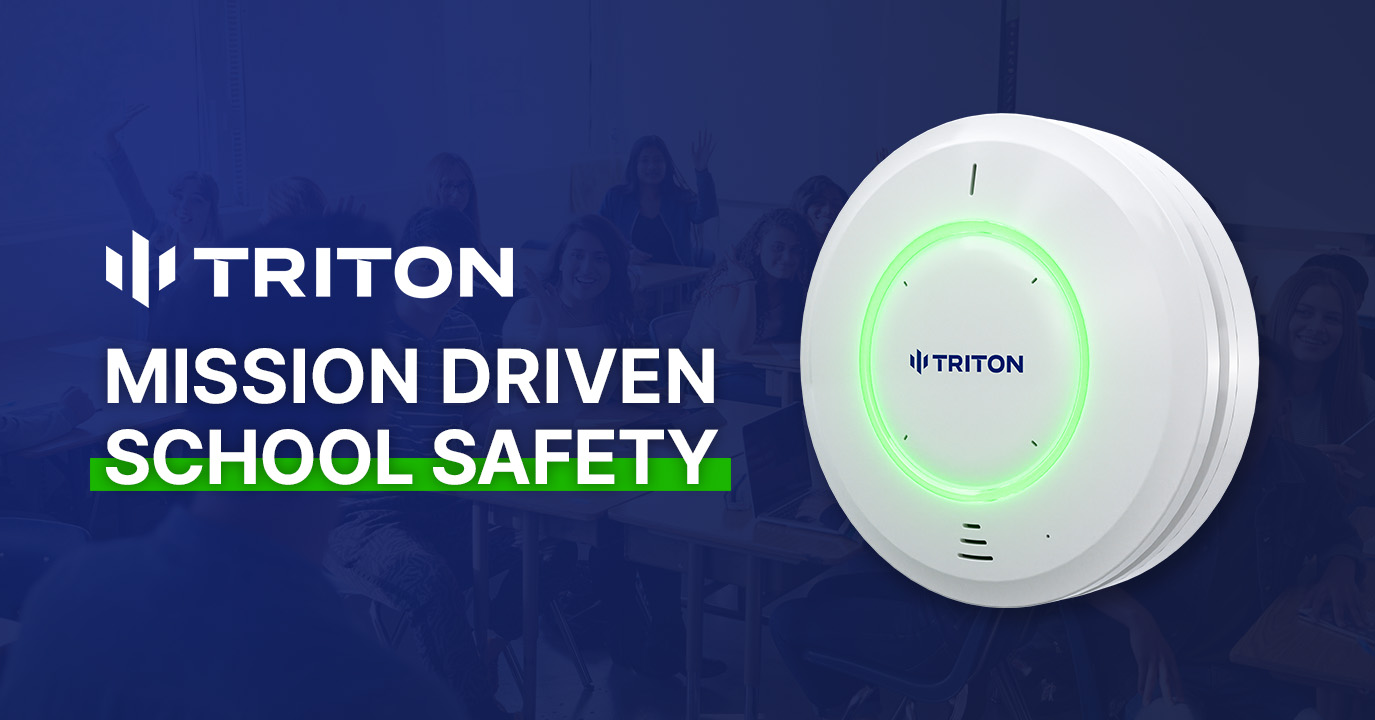
A Case Study that reduces vaping by 83% in just 10 Weeks
Luling Independent School District faced an issue with the use of vape. Despite the warnings of school authorities and the implementation of more strict rules, some students used to smoke in the locker rooms. Smoke alarms were not effective against vapour. Staff couldn’t be everywhere.
As a test for the district, they installed vape detectors at schools in March. The results were quite impressive. Within five weeks, incidents of vaping had decreased noticeably. In ten weeks’ time the rate of vaping had fallen by 83%..
The effectiveness of the program went beyond just numbers. Teachers were less disruptive and students understood that vaping wouldn’t go unnoticed.
Match Charter School Experiences resemble Success
Match Charter Schools is another powerful illustration. They struggled to curb smoking in middle and high schools. When they put up a set of smoke detectors for vape in August, the impact was evident immediately.
In December, just 4 months following the first report, administrators notified of an 80% drop in vaping-related incidents. Parents were pleased with the school’s specific precautions to guard their children. Teachers observed a decrease in loitering in the hallways as well the reduction in bathroom congestion.
The two districts listed above reflect a trend that is growing schools that have implemented vape detection have seen tangible improvement in their behavior and overall safety.
What makes vape detectors successful?
The secret behind these results lies in the technology itself. Modern vape detectors can’t just detect vapor, they also track air quality, monitor occupancy and send real-time notifications to employees. This means that administrators don’t need to rely on their intuition and post-fact reports.
And, most importantly the fact that detectors have been designed with the privacy of the user in mind. No cameras. No audio recording. Accurate, instant data is the only thing needed to aid schools in making quick decisions without violating the rights of students.
This combination of effectiveness and compliance makes vape detectors one of the most practical safety tools schools can adopt today.
The Safety Net extends beyond Vaping
A lot of administrators know that detectors go far beyond the prevention of vaping. Advanced systems detect loud sounds and the use of keywords in connection with emergencies. They are able to detect vandalism.
If, for instance, a group begins to loiter in a bathroom the detector will alert you to an unusual degree of occupancy. If a person shouts distressing words, like “help,” staff can be immediately alerted. Vape detectors in schools can form part of a wider strategy to combat both violence and health risks.
Why Parents and Boards Support Vape Detectors
The most often ignored benefit is the confidence that results from transparency. The use of detectors in schools can produce reports that clearly show the trends of smoking. These reports are available to community groups, school boards and parents to prove that concrete measures are being taken.
Parents are more than happy, especially when they are able to witness tangible outcomes. Vape detectors don’t only identify students. It also protects their health and reinforces the message that vaping is not a good idea in schools.
What should you learn: A proven path forward
A few years ago, vaping was like an invisible war that schools were unable to be victorious in. However, case studies from districts across the country prove otherwise. Administrators can spot risks and deter risky behavior by using a real-time vape detection device. This helps create an environment that is safer for students.
Vaping is still a concern, but it is changing. Schools which are investing in vape detection technology aren’t simply reacting to the issue they’re setting in the direction of a better future for their students.
Conclusion
From Texas from Texas to Massachusetts schools are proving that technology works. A modern vape detector does more than just sound an alarm it reshapes behavior and builds trust. It offers a long-lasting solution to one of the current most urgent student health concerns. Vape detectors at schools are not a flimsy experiment for any school district which is concerned about the safety of students. They’re now a standard.