ACL injuries can affect those who are athletes and not in the United States. The ACL is a crucial ligament inside the knee joint. It is responsible for providing stability and supporting moves like jumping, pivoting and sudden directional shifts. Unfortunately, due to its poor healing potential, ACL Reconstruction or surgery is often required to restore full knee function after a tear.
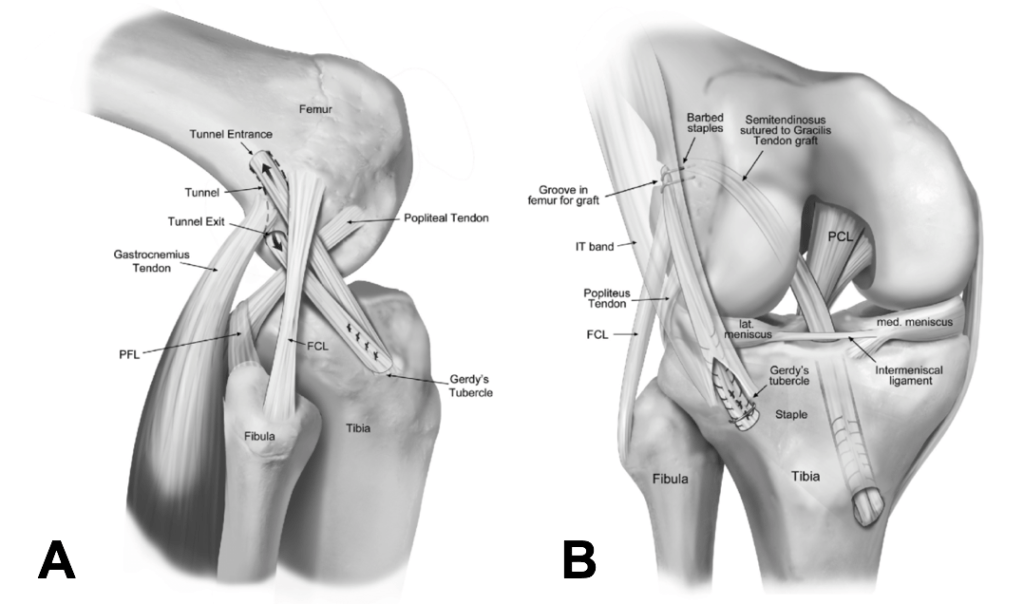
Image credit: jeremyburnhammd.com
Understanding the ACL reconstruction procedure, the role of a specialist ACL surgeon, as well as the advances in surgical techniques can assist you make an informed decision regarding the treatment you’ll receive.
The importance of the ACL and the Reasons Reconstruction Is Often Necessary
The ACL connects the femur (thigh bone) to the tibia (shin bone) as well as playing an important role in stabilizing knee joints during motion. When the ACL is injured it may be caused by a twisting movement or landing in an awkward location, or even an impact-intensive sports. The instability of the joint. Signs of an ACL tear can include swelling, pain and a feeling of the knee “giving out” when you exercise.
While minor injuries to other ligaments could sometimes heal with treatment and rest, the ACL’s weak self-healing capacity means that surgery is often the best option. ACL surgery is typically healing the ligament in some uncommon cases or reconstructing it using a tendon graft.
What is ACL Reconstruction Surgery
ACL reconstruction involves the replacement of a damaged ACL ligament with a brand new transplant. The graft can be from the body of the patient or a donor. The patellar and quadriceps tendon (BTB) are among the most common grafts. Each of these grafts has its own unique benefits.
Quadriceps tendon: Because of its strength and the absence of complications at the donor site the graft can provide reliable stability, particularly for those who are returning to high-impact sport.
Patellar Tendon BTB (BTB) of which is commonly referred to as the “gold standard”, this graft offers the highest level of stability to patients who require it.
Dr. Burnham, a fellowship-trained ACL surgeon has conducted extensive research on these graft options with excellent results in terms of knee strength, durability and a low risk of long-term complications.
Advancements in ACL Reconstruction Techniques
In the past, ACL reconstruction methods placed the graft in a non-anatomical location. This meant it didn’t align with the position of the ligament. This could lead to less than optimal results, for example, less stability and an increased chance of re-injury. However, modern advancements in imaging technology as well as surgical research have revolutionized how ACL reconstruction is done.
ACL surgeons, like Dr. Burnham today, use sophisticated techniques to put the new ACL exactly in the place where the initial ACL was previously. This is anatomically positioned to ensure better alignment with the knee’s natural mechanics, which results in improved stability and function. Benefits of precision include:
In reducing the risk of re-injury
Better long-term knee health
A lower risk of developing arthritis
It’s all about precision: the significance of the sizing of grafts
The success of an ACL reconstruction is contingent on the correct size of the graft that is appropriate for the patient. Using MRI images and direct surgery, surgeons can adjust the graft in accordance with the specific anatomy of each patient. A graft that’s too small could not offer enough stability, while an oversized graft can lead to complications. ACL surgeons can maximize healing and performance by customizing every procedure to the individual patient.
Why Choose an ACL Surgeon who has been trained by a fellowship?
The knowledge and experience of your surgeon plays a crucial role in the success of your ACL surgery. The fellowship-trained ACL specialists such as Dr. Burnham are highly skilled and have a wealth of experience dealing with complicated knee injuries. The advanced procedures they employ ensure that every patient receives personalized treatment, which leads to better results.
Recovering and Long-Term benefits
Following ACL reconstruction, patients will see a gradual return to their prior activity levels with proper rehabilitation. Physical therapy is an essential element of rehabilitation and helps to strengthen the muscles around and restore the full range of motion.
ACL surgery has improved over the years, resulting in better long-term outcomes, like a lower risk of re-injury and improved knee stability. Modern ACL reconstruction methods can help you resume your active lifestyle or return to sports.
Final Thoughts
ACL reconstruction is a far away from what it used to be, due in part to research, modern technology and trained fellowship-trained ACL specialists like Dr. Burnham. By focusing on precision, advanced imaging techniques, and individualized treatment, modern surgical methods give patients the best chances for a speedy recovery and long-term knee health.
ACL injuries can be complex however an ACL specialist will assist you to discover your options and determine the best solution for your needs.